Again with the reader questions, this time from housepig who asks
“If one were intrigued by the banner on this very website and wanted to check out Herbie, where/how would you recommend they start?”
Phew, thank goodness you didn’t ask about Spunky the Monkey, who’s there between Sluggo and Herbie. Spunky’s a little harder to track down.
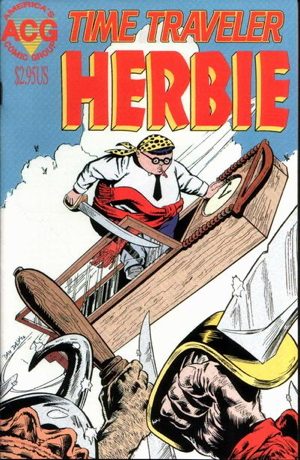 Now, if you just want to sample Herbie stories without worrying about being a completist or anything, there are plenty of plain ol’ comic book reprints out there of…varying quality.
Close to ten black and white reprints of Herbie comics came out in the 1990s, from A+ Comics and Avalon Communications (branded “ACG” on the cover). These may be harder to find, as I expect the print runs on these were about half of nothing, and the covers tended toward the amateurish. You may have more luck finding these in bargain bins than you would walkihg into a shop asking “please direct me to your black and white Herbie reprints, please!”
Despite everything, these are perfectly readable and a good way to check out whether Herbie would be your thing. And of course he would be, Herbie is everyone’s thing.
The next possibility is finding the two issues Dark Horse Comics released of a planned — 10? issue — Herbie reprint series. All in color, and the first issue features a new 8-page Herbie back-up story by John Byrne…no, don’t run away, it was actually pretty good. Nice selection of stories, maybe a little easier to find because of being published by Dark Horse and may have actually been ordered by retailers. Obviously not ordered enough, else we would have gotten the whole series.
The ultimate way to get Herbie is of course the complete Herbie Archives from Dark Horse, which ran three volumes and contains all the original Herbie stuff in color. Of course, this assumes you want to jump into the deep end of the pool. The books are all out of print, but looking at eBay it appears only the first volume can be found for reasonable prices. The other two tend to run higher, and may require some shopping around.
And then of course, you can always find the actual original comics from the ’60s. Sure, they can run expensive, but if you find some lesser condition copies for cheap that’s a good way to go too.
Because someone’s gonna mention it in the comments, I’ll note that there was probably lots of online scans of the stories, too, but you didn’t hear that from me.
Anyway, Herbie is one of the great weirdo comics that graced our newsstands…so weird, in fact, I’m really surprised it actually got published in the first place. It’s a wondrous display of oddball humor and I hope, housepig, that you find it as entertaining as I do.
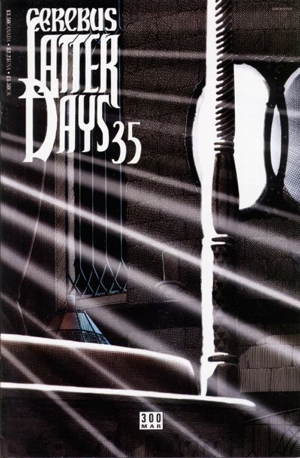 So the other day I was thinking about endings in comics, where a character/franchise was allowed to come to its natural conclusion. Not just “well, this series of Avengers has reached its conclusion/dropped enough in sales, time to end it and start a new series with the same name.” But, like, creator-owned characters, ones where there is a person in charge who can say “well, that’s enough of that” and wrap everything up, without anyone to gainsay them.
 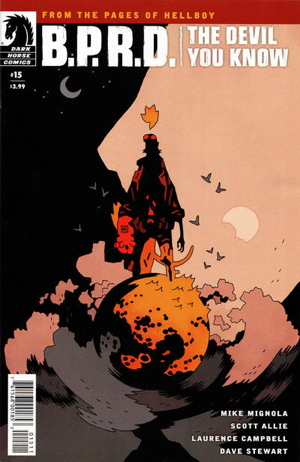 Which puts me in mind of Concrete, where creator Paul Chadiwck had noted a way to end the series. I talk about it
  I noticed a lot of discussion on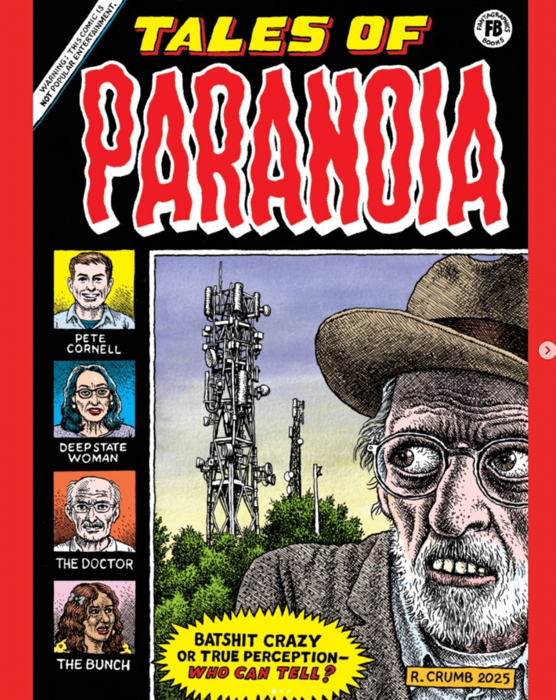


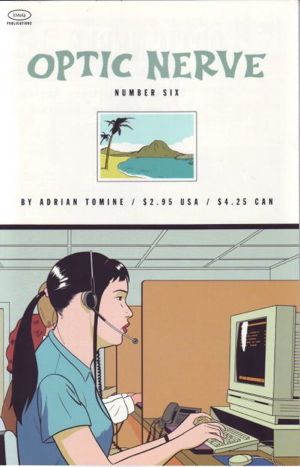 Now here’s a comic where I read every gosh-darn issue, unlike some of thge other entries in this particular series of posts. Adrian Tomine’s Optic Nerve had its origins in a series of self-published mini-comics in the first half of the 1990s. …Which, okay, I lied, I hadn’t read the mini-comics, but can easily at any time, which I’ll get into in a sec.
